Showing posts with label minimally invasive bunion surgery. Show all posts

Friday, March 6, 2026

Modern Foot & Leg Surgery: Smaller Incisions, Faster Recovery

Advancements in medical technology are transforming the way foot and leg conditions are treated. One of the most important developments in podiatric care today is minimally invasive surgery, which allows doctors to perform procedures using smaller incisions and more precise techniques.

At Family Foot & Leg Center, we are committed to incorporating modern surgical approaches that help improve patient outcomes while reducing recovery time.


What Is Minimally Invasive Foot Surgery?

Minimally invasive surgery involves performing procedures through very small incisions rather than the large openings traditionally required in the past. Specialized instruments and small cameras allow surgeons to operate with greater precision while minimizing damage to surrounding tissue.

This approach is now being used for several foot and ankle procedures, including bunion corrections and reconstructive surgeries.


Minimally Invasive Bunion Surgery

Bunions are a common foot condition that can cause pain, swelling, and difficulty wearing certain shoes. Traditional bunion surgery often required a large incision, which sometimes made patients hesitant about undergoing treatment.

With minimally invasive bunionectomy techniques, surgeons can correct the deformity using much smaller incisions, helping to reduce visible scarring and making the procedure less intimidating for patients.


Reducing the Use of Metal Implants

Another advantage of newer surgical techniques is the ability to minimize the use of metal fixation devices, such as screws or plates, when appropriate.

By reducing implanted hardware, patients may experience:

* A more comfortable recovery

* Less irritation from implanted materials

* Faster healing times


This approach focuses on helping the body recover more naturally whenever possible.


Minimally Invasive Reconstructive Procedures

In the past, reconstructive procedures for the foot and ankle often required large surgical openings to access the affected area. Today, many of these procedures can be performed with much smaller incisions.

Using specialized tools and imaging technology, surgeons can achieve the same corrective goals while reducing trauma to surrounding tissues.


Arthroscopic Procedures for the Foot and Ankle

Some conditions involving the ankle or joints of the foot can now be treated arthroscopically, meaning the surgeon uses a small camera inserted through a tiny incision.

This technique allows doctors to perform procedures such as certain joint fusions with improved visibility while avoiding large surgical openings.


Benefits for Patients

These modern surgical approaches provide several important benefits for patients, including:

* Smaller incisions

* Less post-operative pain

* Reduced scarring

* Faster recovery time

* Improved overall comfort during healing


By combining innovative techniques with personalized care, treatment can be more efficient and less disruptive to daily life.


A Commitment to Innovation in Foot & Leg Care

Medical technology continues to evolve, and staying current with new techniques helps ensure patients receive the best possible care.

By utilizing small incisions, advanced surgical tools, and minimally invasive approaches, Family Foot & Leg Center focuses on improving recovery while delivering effective treatment for a variety of foot and ankle conditions.


Wednesday, December 17, 2025

Minimally Invasive Bunion Surgery: Transforming Your Foot Comfort with Top Podiatrist Dr. Kevin Lam

Bunions are more than a cosmetic concern — they can cause pain, limit mobility, and make everyday shoes uncomfortable. Thanks to minimally invasive bunion surgery (MIS), patients can now experience effective correction with smaller incisions, less pain, and faster recovery.


Here’s a closer look at what patients can expect before and after surgery

Before Surgery: The Challenge

Many patients come in with:

* Painful bunions making walking uncomfortable

* Difficulty finding shoes that fit properly

* Swelling, redness, or corns at the bunion site

* Reduced activity due to foot discomfort


Traditional bunion surgery often required large incisions and longer recovery times, which could impact daily life for weeks or months.


Patient Story – Before:

> “I struggled to find shoes that fit and avoided walks with my family because of the pain. I didn’t think surgery would let me be active again quickly.”


 The Minimally Invasive Solution

Minimally invasive bunion surgery uses tiny keyhole incisions and specialized instruments to correct the toe alignment without disturbing the surrounding tissue.


What makes MIS different:

* Small incisions, minimal scarring

* Reduced soft tissue trauma

* Less postoperative pain

* Faster recovery and return to activities


How It Works:

1. Small incisions are made at the bunion site.

2. Specialized instruments realign the toe bone.

3. Screws or pins stabilize the correction internally.

4. The foot begins healing with minimal disruption to soft tissue.


 After Surgery: The Results


*Early recovery: Most patients walk with a protective shoe almost immediately, experiencing less swelling and pain compared to traditional surgery.

*Long-term results:

* Straightened big toe with reduced bunion prominence

* Improved foot function and mobility

* Ability to wear regular shoes comfortably

* Return to daily activities and exercise sooner


Patient Story – After:

> “Within a few weeks, I could walk comfortably. Months later, my bunion is gone, and I’m back to hiking with my family. The small scars are barely noticeable!”


🔹 Why Choose Minimally Invasive Bunion Surgery?


Minimally invasive techniques offer:

* Faster recovery and less downtime

* Smaller scars and less noticeable to almost invisible incisions

* Preserved soft tissue for healthier healing

* Reliable correction of painful bunions


📅 Take the First Step Toward Comfort

If bunions are slowing you down, Dr. Kevin Lam can help determine if minimally invasive bunion surgery is right for you.


Schedule a consultation today to explore a treatment plan that helps you walk comfortably — sooner and with less disruption.


Tuesday, November 11, 2025

10 Weeks After Reverse Peabody and Akin Osteotomy: Minimally Invasive Bunion Correction by Dr. Kevin Lam

Precision Bunion Surgery with Modern Techniques


Bunion deformities are a common condition affecting the alignment of the great toe, often leading to pain, stiffness, and difficulty with footwear. At the Family Foot & Leg Center (FFLC), we utilize advanced, minimally invasive techniques to correct bunions with less downtime and improved long-term outcomes.


In this featured case, Dr. Kevin Lam performed a reverse Peabody procedure combined with an Akin osteotomy to restore alignment and function. This approach allows for excellent correction with minimal soft tissue disruption and faster recovery compared to traditional open methods.


Case Overview


This patient underwent a reverse Peabody bunion correction along with an Akin osteotomy for fine-tuning of the toe alignment.

The combination of these procedures enables precise bone realignment, stable fixation, and improved cosmetic and functional outcomes.


At the 10-week postoperative visit, results were outstanding:


* ✅ Excellent bone healing and stable fixation on X-ray

* ✅ Corrected toe alignment and balanced joint position

* ✅ Minimal swelling and good scar healing

* ✅ Comfortable walking and return to daily activities


Why the Reverse Peabody and Akin Osteotomy Work So Well


The reverse Peabody technique is a refined method that repositions the metatarsal head through a smaller incision while preserving joint integrity. When paired with the Akin osteotomy, which adjusts the proximal phalanx, the combination provides a balanced correction of the bunion deformity.


Benefits of this minimally invasive approach include:


* Smaller incisions, less soft tissue trauma

* Reduced postoperative pain and scarring

* Faster recovery and return to function

* Strong, lasting correction of the bunion deformity


Dr. Lam is internationally recognized for his expertise in minimally invasive foot and ankle surgery, including the Lam Bunionectomy, reverse Peabody procedure, and other advanced reconstructive techniques.

He leads a team of board-certified specialists across FFLC locations in SWFL, offering comprehensive care for foot, ankle, and leg conditions.

Dr. Lam is also the Founder & CEO of the Family Foot & Leg Center, P.A., based in Naples, Florida.


Learn More or Schedule a Consultation

If you’re suffering from bunion pain or considering surgical correction, schedule a consultation with Dr. Kevin Lam and the expert team at Family Foot & Leg Center to explore your treatment options.


📍 Family Foot & Leg Center, P.A.

🌐https://www.scarlessbunion.com/

📞 (239) 430-3668 (FOOT)

Wednesday, October 15, 2025

The Future of Bunion Surgery Is Here: Minimally Invasive Bunion Correction by Dr. Kevin Lam

If painful bunions are keeping you from walking comfortably or wearing your favorite shoes, there’s good news — you no longer have to face large incisions, metal plates, or long recovery times.

At Family Foot & Leg Center (FFLC), Dr. Kevin Lam and his surgical team are proud to offer Minimally Invasive Bunion Surgery  — a modern approach that’s transforming how we correct bunions and restore comfort.

This innovative procedure uses tiny incisions, precise imaging, and advanced instrumentation to realign the bone — meaning less pain, less scarring, and a faster return to walking. 💙


What Is a Bunion?

A bunion, or hallux valgus, is a bony bump that forms at the base of your big toe. Over time, the big toe drifts toward the smaller toes, causing joint pain, redness, swelling, and difficulty wearing shoes.

Traditional surgery often involves a large incision, cutting and repositioning bones, and using screws or plates — which can mean more discomfort and longer healing.

With Minimally Invasive Bunion Surgery, Dr. Lam performs the same correction through incisions as small as a few millimeters — often requiring only local anesthesia and allowing most patients to walk shortly after surgery.


Why Choose Minimally Invasive Bunion Surgery?

Minimally invasive techniques focus on precision and preservation — correcting the bunion without the trauma of traditional open surgery.

Here’s how patients benefit:

Smaller Incisions: Just a few millimeters long — less scarring, faster healing.
Less Pain & Swelling: Minimal tissue disruption means a gentler recovery.
Faster Recovery: Many patients walk in a post-op shoe the same day.
Lower Risk of Complications: Reduced infection risk and faster wound healing.
Natural Foot Appearance: Improved cosmetic outcome with better alignment.


🦶 How It Works

Using specialized instruments and fluoroscopic (live X-ray) guidance, Dr. Lam carefully realigns the bones of the big toe joint through tiny openings.

The correction is stabilized with micro-fixation — often without the need for large screws or plates. Because the surrounding tissues remain largely untouched, patients experience significantly less postoperative pain and swelling compared to traditional methods.

Most procedures are done outpatient, allowing patients to return home the same day.


💙 Recovery: Walk Sooner, Heal Faster

One of the greatest advantages of minimally invasive bunion surgery is how quickly patients get back on their feet.

Most are able to bear weight immediately in a special surgical shoe and transition to normal footwear within weeks rather than months.

At FFLC, we provide comprehensive postoperative care including digital imaging, follow-up evaluations, and customized recovery plans to ensure every patient regains strength, balance, and confidence.


🧠 Why Experience Matters

Dr. Kevin Lam, founder of Family Foot & Leg Center, is a nationally recognized foot and ankle surgeon known for pioneering advanced, minimally invasive procedures. His expertise and commitment to innovation make FFLC a leading destination for patients seeking the best in modern podiatric care.

With years of experience in bunion correction, Dr. Lam continually refines his approach to ensure each patient experiences the safest, most comfortable recovery possible.

If bunion pain is slowing you down, you don’t have to live with it. The future of bunion surgery is here — and it’s gentler, faster, and more effective than ever before.

Let Dr. Kevin Lam and the expert team at Family Foot & Leg Center help you walk confidently again — pain-free and without long recovery times.

📅 Schedule your consultation today to learn whether you’re a candidate for Minimally Invasive Bunion Surgery.

💙 Smaller incisions. Less pain. Faster recovery.
#WeKeepYouWalking


#FFLC #DrKevinLam #MinimallyInvasiveBunionSurgery #FootSurgery #BunionRelief #NaplesPodiatrist #FootAndLegCare #WalkConfidently #PainFreeFeet #WeKeepYouWalking


Wednesday, February 5, 2025

Double Bunions, No Scars: The Power of Minimally Invasive Surgery

Bunions can be painful and limiting, but having two bunions on the foot—a double bunion—can make every step a struggle. Many patients delay treatment, fearing long recovery times, visible scars, and post-surgical pain. However, with Dr. Kevin Lam’s advanced minimally invasive bunion surgery, patients can achieve a full correction with faster healing, minimal discomfort, and little to no visible scarring.  


Before Surgery: Living with Double Bunions

Double bunions occur when both the big toe joint (hallux valgus) and the little toe joint (bunionette deformity) become misaligned. This leads to:  

✅ Pain & swelling in tight shoes  

✅ Difficulty walking due to pressure points  

✅ Progressive deformity that worsens over time  


Traditional bunion surgeries often involve large incisions, extensive soft tissue disruption, and lengthy recovery periods. But with Dr. Lam’s minimally invasive approach, patients now have a solution that delivers results without the downsides of conventional surgery.  


Two Months Post-Op: Healing in Progress

At just eight weeks after surgery, patients are already seeing dramatic improvements:  

No more bunion pain—realignment of both joints allows for proper foot function.  

Faster mobility—patients return to daily activities much sooner than with traditional procedures.  

Minimal swelling and discomfort—thanks to small incisions and advanced surgical techniques.  


Unlike traditional bunion surgery, which can require months of painful recovery, minimally invasive correction allows patients to walk immediately after surgery with a protective shoe.  


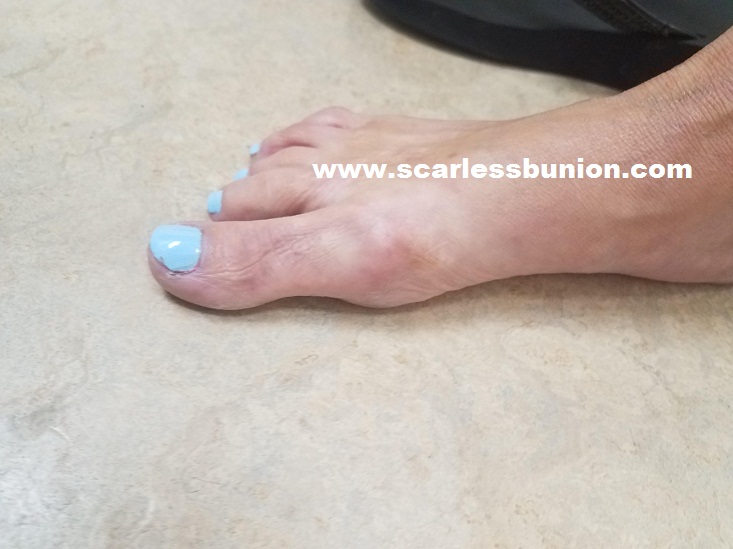
Eight Weeks Later: No Bunion, No Scar

By the eight-week mark, patients are thrilled with their results:  

Double bunion completely corrected—both joints are properly realigned.  

No visible scarring—tiny incisions mean no large, unsightly marks.  

Back to normal activities—patients can comfortably wear shoes and enjoy pain-free movement.  


Why Choose Dr. Kevin Lam’s Minimally Invasive Bunion Surgery?  

✅ Smaller Incisions, No Large Scars – Nearly invisible, cosmetic-friendly results.  

✅ Faster Recovery – Walk immediately, return to normal life much sooner.  

✅ Less Pain & Swelling – Minimal soft tissue trauma for a smoother healing process.  

✅ Permanent Correction – Proper joint realignment to prevent recurrence.  


If you’re struggling with bunions, don’t let pain hold you back. Dr. Kevin Lam specializes in state-of-the-art minimally invasive bunion correction, helping patients walk comfortably—without large ugly scars, long recoveries, or unnecessary pain.  


📍 Dr. Kevin Lam | Family Foot & Leg Center | Naples, FL 

💻 Visit our website NaplesPodiatrist.com to schedule a consultation today!  


Thursday, December 19, 2024

Don’t Wait for the Pain to Get Worse: Address Bunions Before They Become Severe

Bunions are a common foot condition that can cause significant pain and discomfort if left untreated. These bony bumps form at the base of the big toe when the joint becomes misaligned, often leading to swelling, redness, and difficulty walking. While bunions may start as a minor inconvenience, they can progress to severe deformities that affect your quality of life. The good news? Early intervention can prevent this progression and spare you from unnecessary pain and complications.


What Causes Bunions?

Bunions develop due to a combination of genetic and environmental factors. Common causes include:

  • Inherited foot structure: If your family has a history of bunions, you may be at a higher risk.
  • Improper footwear: Shoes that are too tight, narrow, or have high heels can put excessive pressure on the toes.
  • Arthritis: Conditions like rheumatoid arthritis can contribute to joint instability and bunion formation.
  • Overpronation: Rolling your foot inward excessively while walking can exacerbate the condition.

The Problem with Waiting

It can be tempting to ignore bunions in their early stages, especially if the pain is mild or intermittent. However, delaying treatment can lead to:

  • Increased pain and swelling: As the bunion grows, it puts more pressure on surrounding tissues and nerves.
  • Reduced mobility: Severe bunions can make walking and everyday activities challenging.
  • Secondary conditions: Untreated bunions may lead to corns, calluses, hammertoes, or chronic inflammation.
  • Need for invasive surgery: Early treatment can often prevent the need for extensive surgical intervention.


Signs You Shouldn’t Ignore

If you’re experiencing any of the following, it’s time to consult a podiatrist:

  • Persistent pain in the big toe joint
  • Swelling, redness, or tenderness
  • Difficulty finding comfortable shoes
  • Visible deformity or bump at the base of the big toe


Benefits of Early Intervention

Treating bunions in their early stages can help:

  • Alleviate pain: Custom orthotics, padding, and proper footwear can reduce pressure on the joint.
  • Slow progression: Physical therapy and other conservative measures can prevent the bunion from worsening.
  • Improve alignment: Non-surgical treatments, such as toe spacers and splints, can help realign the joint.
  • Avoid surgery: By addressing the issue early, you may eliminate the need for more invasive procedures down the road.


Modern Solutions for Severe Bunions

If your bunion has already progressed to a severe stage, don’t lose hope. Advances in podiatric surgery, like the Lam Bunionectomy procedure, offer minimally invasive options for correction. This innovative technique minimizes scarring, reduces recovery time, and restores foot function with less pain compared to traditional surgery.


Take Action Today

Your feet are the foundation of your mobility, and ignoring bunion pain can jeopardize your overall well-being. The earlier you seek treatment, the better your chances of avoiding complications and maintaining an active lifestyle. Whether your bunion is mild or severe, Dr. Lam is here to provide personalized care and state-of-the-art treatment options.

Don’t wait until the pain becomes unbearable. Schedule a consultation today and take the first step toward healthier, pain-free feet!

https://www.scarlessbunion.com/


Wednesday, May 15, 2024

Real Results Revealed: Patient 4 Months Post Minimally Invasive Bunionectomy!


Here we showcase the incredible progress of an actual patient just 4 months after undergoing a minimally invasive bunionectomy. This patient's journey is a testament to the transformative power of modern podiatric surgery.

Join us as we witness firsthand the remarkable recovery of this patient, who is doing exceptionally well with virtually no visible scar and outstanding results. Their experience speaks volumes about the effectiveness of minimally invasive techniques in treating bunions. Discover how a minimally invasive bunionectomy can not only alleviate discomfort but also leave minimal scarring, allowing patients to get back on their feet with confidence. If you're considering bunion treatment, this video is a must-watch for insights into the potential outcomes of minimally invasive procedures.

Friday, May 3, 2024

Post-Bunionectomy Patient Follow-up | Bunion Surgery Results


Bunion Surgery Follow-Up: A Journey to Improved Foot Health:

Left Foot: Five Years Later

Five years after undergoing bunion surgery on their left foot, our patient has experienced significant improvements in comfort and mobility. Before the surgery, they endured chronic pain and discomfort caused by the bunion deformity, affecting their daily activities and quality of life. However, post-operation, they've enjoyed a remarkable reduction in pain and swelling, allowing them to walk and stand with ease.


The minimally invasive bunion surgery performed at Family Foot & Leg Center has not only corrected the bunion deformity but also minimized scarring and accelerated the recovery process. Our patient is thrilled with the long-term results, as they continue to enjoy an active lifestyle without the limitations imposed by their previous foot condition.


Right Foot: Few Months Later

On the other foot, quite literally, our patient underwent bunion surgery just a few months ago, and the results are already promising. By opting for minimally invasive bunion surgery, they've experienced minimal discomfort and downtime, allowing for a smoother recovery compared to traditional surgical methods.


Already, our patient has noticed a significant improvement in the alignment of their right foot, as the bunion deformity is gradually corrected. With the guidance and support of the experienced team at Family Foot & Leg Center, they're confident that their right foot will soon mirror the success of their left foot, leading to enhanced foot health and overall well-being.


Minimally Invasive Bunion Surgery:

At Family Foot & Leg Center, we specialize in minimally invasive bunion surgery, offering patients a revolutionary approach to correcting bunions with fewer complications and faster recovery times. Our innovative techniques prioritize precision and effectiveness, ensuring optimal outcomes for every patient.


If you're considering bunion surgery or seeking follow-up care after a previous procedure, we invite you to explore the benefits of minimally invasive bunion surgery at Family Foot & Leg Center. Our compassionate team is dedicated to providing personalized care and comprehensive support throughout your journey to improved foot health.

Bunion surgery can be a life-changing experience, providing relief from pain and discomfort while restoring mobility and confidence. Through the remarkable journey of our patient, we've witnessed the transformative impact of minimally invasive bunion surgery on foot health and overall well-being.


Whether you're five years post-operation or just a few months into recovery, Family Foot & Leg Center is here to support you every step of the way. Join us in embracing a future of pain-free living and enhanced foot health with minimally invasive bunion surgery.


Saturday, April 27, 2024

Unveiling the Truth Behind Bunionectomies


Bunion surgery, or bunionectomy, has long been associated with discomfort, lengthy recovery periods, and visible scars. However, advancements in medical technology have paved the way for a revolutionary approach – minimally invasive bunion surgery. Let us look into the ins and outs of bunionectomies, explore the benefits of minimally invasive techniques, and shed light on what your doctor may not tell you.


Understanding Bunionectomies:

Bunions are a common foot deformity characterized by a bony bump at the base of the big toe. They can cause pain, swelling, and difficulty wearing shoes. While conservative treatments like padding, orthotics, and shoe modifications may provide relief, severe cases often require surgical intervention.

Traditional bunion surgeries involve making large incisions, realigning the bone, and often using screws or plates to stabilize the joint. However, these procedures come with drawbacks such as extensive scarring, prolonged recovery times, and the risk of complications.


Enter Minimally Invasive Bunion Surgery:

Minimally invasive bunion surgery represents a paradigm shift in the treatment of bunions. Unlike traditional methods, which require large incisions and significant bone manipulation, minimally invasive techniques utilize small incisions and specialized instruments to correct the deformity.

One notable approach is offered at ScarlessBunion.com, where surgeons employ state-of-the-art technology to perform bunionectomies with minimal trauma to surrounding tissues. This results in faster recovery times, reduced postoperative pain, and virtually invisible scars.


What Your Doctor Might Not Tell You:

Despite the numerous benefits of minimally invasive bunion surgery, many patients are unaware of this option. Some doctors may still recommend traditional techniques out of habit or lack of familiarity with newer methods. Additionally, insurance coverage for minimally invasive procedures may vary, leading some physicians to default to conventional approaches.

However, it's essential to advocate for yourself and explore all available options when considering bunion surgery. Doing thorough research, seeking multiple opinions, and asking specific questions about surgical techniques can empower you to make an informed decision that aligns with your needs and preferences.


Bunion surgery no longer needs to be synonymous with pain, visible scars, and lengthy recovery times. With the advent of minimally invasive techniques, patients can undergo bunionectomies with confidence, knowing that they're receiving cutting-edge care that prioritizes their well-being.

If you're suffering from bunions and contemplating surgery, don't settle for outdated methods. Explore the possibilities offered by minimally invasive bunion surgery and take the first step towards reclaiming your comfort and mobility.

Visit scarlessbunion.com to learn more about our innovative approach and schedule a consultation with our experienced team. Say goodbye to bunions and hello to a scarless, pain-free future!

----

Video Transcription:

This foot now, bunionectomy on this side?

"This was 6/21"

Okay, so we're talking about four months ago, about. This one is two weeks old. This is in the path of recovery here. As you can see, this is the minimally invasive bunionectomy. This was done about, again, four months ago. The complete healing. You see four months into the future. This is what it looks like at 2 weeks. She's doing great.  Little marks still there, the pins still there.  

We're gonna pull out the fifth toe pin today and wrap her up. We'll be alright. Pulling out the  fifth toe pin right now. One, two, three...fifth toe comes out in about 2 to 4 weeks but 2 weeks  should be sufficient for her. Again, we're gonna  look at the scars...there are none. This is the  minimally invasive bunionectomy. Again, this is 4 months out. And this is fresh at 2 weeks out.  

Double stabilization, the pin was just taken out the fifth toe today.  Awesome.

Well, today was an awesome day of the minimally invasive bunionectomy follow-up today. We have patients coming in from all over the United States, all over the world.  This is the most, I would say, 
the most amount of bilateral cases. 

Usually people get their bunionectomy they get horror stories about pain, et cetera, they don't come back for the second foot. Well, I can tell you, minimally invasive bunionectomy --a lot of people are coming back for both.

As you can see, two patients in a row today. This patient, did one four months ago, and she's 2 weeks into the other one. She's doing great. She came in sneakers on the one foot.

Minimally Invasive Bunionectomy, there's a lot of controversy between people that want to do the massive extensive incision versus minimally invasive.

You be the judge. Comes with experience and the technique and we're glad to be -- we're happy to be on the forefront of this technology.

The minimally invasive bunionectomy, keyhole bunionectomy or Cinderella bunionectomy. They call it many different ways. Either way, patients do really well with the Family Foot and Leg Center.

We keep you walking.
Naples, Florida up to Port Charlotte.
(239) 430-3668 (FOOT)
Option #2 for our schedulers.

You can also schedule yourself online, NaplesPodiatrist.com

Hope to meet you soon. Take care.


Monday, April 22, 2024

Before Your Bunionectomy: What Your Doctor May Not Tell You

Are you contemplating a bunionectomy in Southwest Florida? Before you take the next step, it's crucial to be well-informed about what to expect. While your podiatrist will undoubtedly provide valuable guidance, there are certain aspects they may not always discuss.


Understanding the Bunionectomy Process:

A bunionectomy is a surgical procedure aimed at correcting a bunion—a bony bump that forms at the base of the big toe, often causing pain and discomfort. While the surgical techniques and approaches may vary, the primary goal is to realign the affected bones, remove the bunion, and restore proper foot function.

Empowering Yourself with Knowledge:

To ensure the best possible outcome from your bunionectomy, it's essential to take an active role in your treatment journey. Here are some steps you can take:

1. Ask Questions: Don't hesitate to ask your podiatrist about any concerns or questions you may have regarding the procedure, recovery, or potential risks.


2. Seek Second Opinions: Consider seeking a second opinion from another podiatrist to gain additional insights and ensure that a bunionectomy is the best course of action for your condition.


3. Educate Yourself: Take the time to research bunionectomies, familiarize yourself with the procedure, and understand what to expect before, during, and after surgery.

4. Choosing the right foot surgeon for your bunionectomy is essential. Begin by researching specialists in your area, ensuring they are board-certified and have relevant experience. Read patient reviews to gauge their skill and patient satisfaction. During consultations, inquire about their success rates and patient outcomes. Trust your instincts and select a surgeon with whom you feel comfortable and confident in their abilities to provide personalized care and achieve optimal results.

A bunionectomy is a significant decision that can greatly impact your quality of life. By being proactive, asking the right questions, and seeking out comprehensive information, you can ensure that you're fully prepared for the journey ahead. Remember, your podiatrist is there to guide you, but ultimately, the more informed you are, the better equipped you'll be to make decisions that prioritize your foot health and overall well-being.

Dr. Kevin Lam is Double Board Certified by the American Board of Podiatric Surgery. First Podiatrist in Collier County, Florida to achieve such double certification. Only 900+ DPM's are double certified in the United States. Named Amongst America’s Top Podiatrists and top Doctors in SWFL by various publications: 2011, 2012, 2014, 2015, 2016, 2018, 2019, 2024 he is also sought after for his expertise in minimally invasive bunion surgery technique. Dr. Lam modified the technique, Lam Bunionectomy, to be done in the office and to allow for the quickest healing without any complications.    


---


This is status-post four weeks bunionectomy -- minimally invasive bunionectomy. This is -- believe it or not -- this was the better foot, this was the worse foot, so we did that one first. This is four weeks, no scar.


We have one wire we're gonna keep in for another two weeks back there, but that was the incision right there.


So right here at the fifth, first and this is the better foot of the two. So again we're gonna let this one heal and then go on to that one. We're at four weeks now, very minimal swelling, she's doing really good, her range of motion for the first MPJ is really, really good.


So, no crepitus because there's no opening there. The opening is on the side. They're very beautiful, one stitch did the trick and we're ready.

-- 


At the Family Foot & Leg Center (FFLC), we take pride in our expansive network of cutting-edge clinics spread strategically throughout Collier, Lee, Charlotte, and Sarasota Counties, ensuring that no matter where you are in Florida, expert foot and ankle care is within reach. Our mission is to help you overcome your foot and ankle challenges swiftly and effectively, so you can return to your active lifestyle as quickly as possible. With our advanced treatment options and a team of dedicated specialists, FFLC is committed to providing you with the best care possible, conveniently located right in your neighborhood.

Friday, April 19, 2024

Flat foot repair | Pediatric Flatfoot | Before and After Surgery


Pre and post op range of motion. 

What you need to see about pediatric flat foot.   

Board Certified doctor to get it done right or revise.

In this informative video, we delve into the world of flat foot surgery and how it can be successfully performed by a skilled podiatric surgeon. Learn all about flat feet, pediatric flat feet, and how a doctors at Naplespodiatrist.com can help correct this common foot condition. Don't miss out on this valuable insight - visit our website for more information. #flatfoot #naplespodiatrist #flatfeetsurgery #podiatricsurgeon #healthcare.


FFLC has several centers throughout Lee, Collier, Sarasota, and Charlotte Counties in Florida to 

get you back on your feet.

Call us at (239) 430-3668 (FOOT)


#flatfoot #flatfeet #pediatricflatfoot #footpain #footsurgery #flatfootsurgery #flatfeetsurgery #fflc #swfl #podiatrist #podiatrists 

#LeeCounty #CollierCounty #PortCharlotte #CapeCoral #Estero #FtMyers  #Naples #Sarasota


Emergency patients welcome.


FFLC offices for 24/7 self scheduling

Patient portal link


---

Video transcription:

So, pronation right here, right here pronation, so patient had previous surgery but it wasn't locked in. So previous surgery, went to go back in and cleaned that up for her, but basically she's not locked. She's still pronating as you can see.

So we're gonna stop that pronation today and go ahead and we fix that area for her.

So here we go.

This is -- we are status-post procedure right now.

Before loosey-goosey with pronating, you see now no pronation.

We have the Evans Graft in there.

We have -- I'm pushing pretty hard on the fifth metatarsal base, loading the foot, the ankle is nice and straight, it's not going anywhere, he has a little bit more give, it pronates slightly just as normal and the flexor tendon transfer was done, so you see it's nice and stiff, it's locked and loaded, ready to go. Good job.

----

At the Family Foot & Leg Center (FFLC), we take pride in our expansive network of cutting-edge clinics spread strategically throughout Collier, Lee, Charlotte, and Sarasota Counties, ensuring that no matter where you are in Florida, expert foot and ankle care is within reach. Our mission is to help you overcome your foot and ankle challenges swiftly and effectively, so you can return to your active lifestyle as quickly as possible. With our advanced treatment options and a team of dedicated specialists, FFLC is committed to providing you with the best care possible, conveniently located right in your neighborhood.


Tuesday, June 14, 2016

Things You Should Know If You are Considering Bunion Surgery


What is a Bunion?


A bunion is a bony deformity found at the base of the big toe. More commonly found in women, this condition is also called hallux valgus. A number of female celebrities also have bunions on their feet like Posh Spice Victoria Beckham, Hidden Dragon Crouching Tiger actress Michelle Yeoh, Emmy Award Nominee Christina Hendricks, TV personality, socialite, and heiress Paris Hilton, Spanish actress Penelope Cruz, George Clooney’s wife Amal, supermodel Naomi Campbell, and even America's favorite queen of talk, Oprah Winfrey.

The bump is caused by a shift or deviation of the bone in your large toe. It can cause pain, inflammation, and/or redness. When the outside of the foot at the base of the little toe is affected, this is referred to as tailor’s bunion or a bunionette.


The other signs and symptoms of bunions include
  • a bony bump on the outside edge of the foot
  • pain over the big toe joint that’s made worse by pressure from high heels or tight shoes
  • swelling over the big toe joint
  • sore skin over the top of the bunion
  • hard, callused and red skin
  • noticeable change in the shape of the foot
  • finding shoes that fit because of the altered shape of the foot
Bunions may start small but over time, it may become bigger. If one continues to wear tight narrow shoes, it can be more painful and difficult to walk. 

The exact cause of bunions in not known but genetics seems to play a big role. Other possible causes are existing foot conditions like flat feet, high arches, overpronation and various foot problems like arthritis, sprains, and fractures. Wearing shoes that do not fit well or very high-heeled tight shoes may not actually cause bunions but may make the deformity progressively worse. 

Conservative Treatment for Bunions

There are a number of nonsurgical ways to manage bunions. The first step is to wear the right type of shoes. These should be wide enough especially in the toe box to accommodate the bunion. Shoes with flexible soles to support the foot are also helpful. Shoes with a back should be able to keep the heels snugly in place. Keep away from high-heeled shoes. Anything higher than an inch can put undue stress on the bunion. 

In cases where the bunion is irritated and painful, either ice packs or warm soaks can soothe the soreness. Nonsteroidal anti inflammatory medications or NSAIDs such as ibuprofen or aspirin may help with the pain. For more severe cases, cortisone injections can temporarily relieve pain by reducing inflammation but they can have side effects especially in high doses and multiple shots. 

A simpler method to involves the use of a thermoplastic splint. This is supposed to relieve bunion pain, straighten the big toe, and reduce the size of the bump. With proper compliance, patients can resume their with lesser to no pain. Splints may also provide bunion pain relief for those with severe stages of bunion.
Passive and active exercises may also relieve bunion symptoms and increase flexibility. These include toe stretches, toe flexing and contracting, ball roll, resistance exercises, towel curls, picking up marbles with the toes, and even walking along the beach or sand which serves as a gentle foot massage. 

Keeping a normal weight also helps with bunion problems. 

Gel-filled pads or moleskin are readily available at drugstores. Similarly, these provide support and relieve bunion pain. 

However, it is important to note that these conservative measures will not get rid of the bunion because the bunion is a biomechanical deformity. These can only help in relieving the symptoms or may delay its progression. The only way to treat bunions is through bunion surgery.


When is surgery needed for bunion?


When all conservative and nonsurgical bunion treatments fail and the pain interferes with the daily activities, then it may be time to visit your podiatrist. Discuss your options and the different surgical methods for bunion treatment. 


The traditional bunion surgery involves a long incision and has a reputation of being painful with a lengthy recovery period. The cut is done to expose the bulging bone. Then a part of the metatarsal head is removed, then the bone is cut around the neck of the metatarsal bone. The free head is repositioned to a more normal position. Once the bones are well-positioned they are pinned to place and excess bone is removed. In traditional bunion surgery expect swelling and pain after surgery and it takes 6 to 8 weeks of recovery time.


The newer methods for removing bunions such as the minimally invasive bunion surgery involve very small incision. 


The modified Lam /scarless bunion surgery is an innovative method that is virtually painless and scarless bunion treatment. 


Dr. Kevin Lam, a Double Certified foot and ankle surgeon in Naples, Florida has developed the Lam modification bunion surgery which utilizes a very small incision, minimal discomfort, and virtually painless scarless bunion surgery


The new fixation technique allows a patient to be up and about the same day! 

It is very important that this ground-breaking technique is performed by a specialist foot and ankle surgeon who has extensive experience in all bunion surgery techniques. 


For more infomation, call or visit any of the Family Foot and Leg Center, P.A. offices conveniently located in Naples (Goodlette Medical Park), North Naples (Royal Palm Medical Building, Medical Blvd), and East Naples (Gridley Building, Tamiami Trail East) or contact (239) 430-3668 (FOOT)